
The short answer
Reflective vinyl sends the light from headlights straight back to the driver, so the graphics show up brightly at night. Regular vinyl looks the same by day but stays dark at night. Reflective costs more, so most vehicles use it where it counts and regular vinyl for the rest.
How reflective vinyl works
The film has tiny reflective beads or prisms in it. In daylight it looks like normal vinyl. At night, when headlights hit it, it shines back toward the car behind or beside it. That's why the stripes and chevrons on fire trucks and ambulances seem to light up in the dark.
We mostly use 3M reflective film. It comes in white, yellow, orange, red, blue, green, gold and black, so the reflective parts can match your colours.
Where reflective makes sense
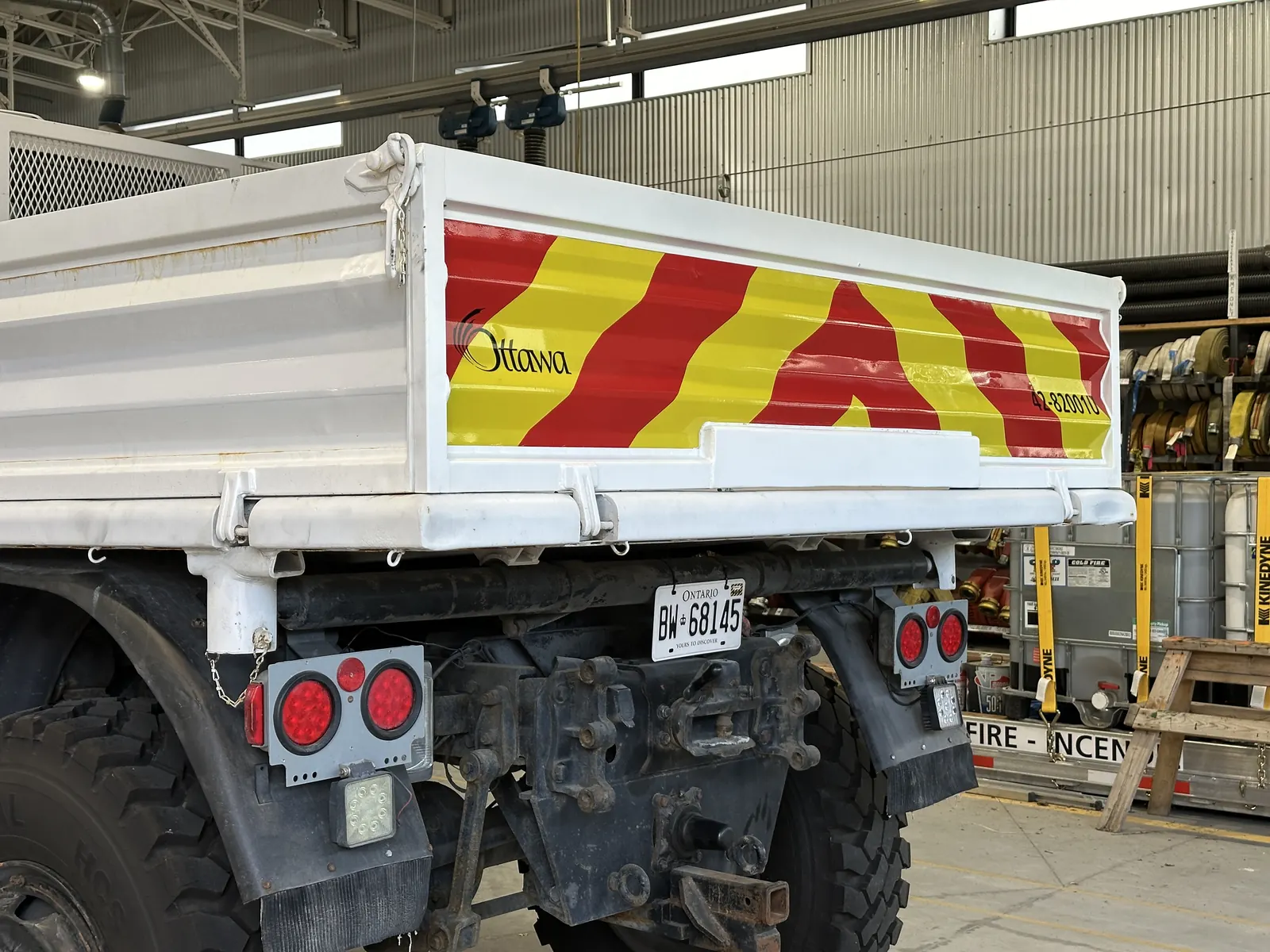
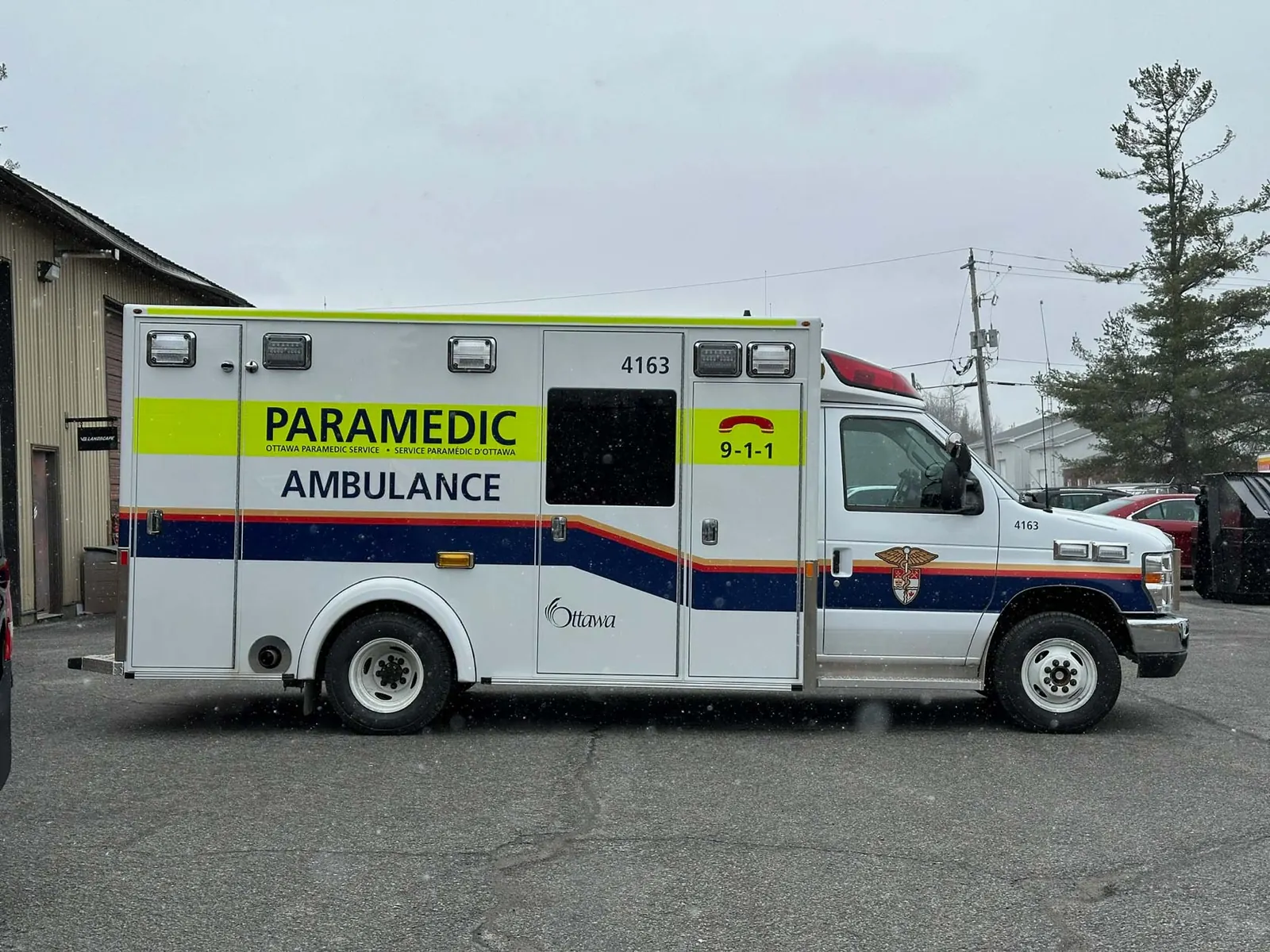
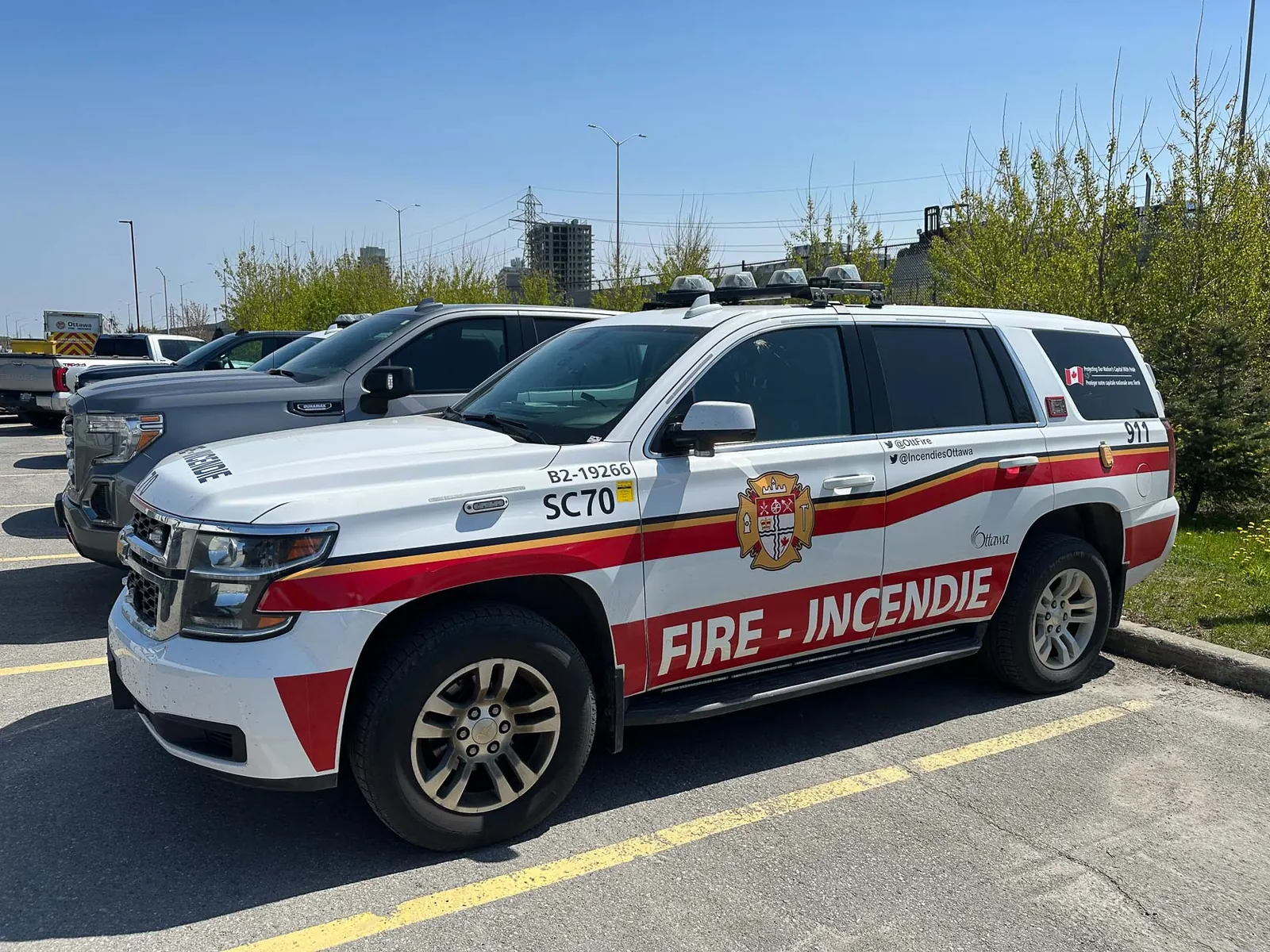
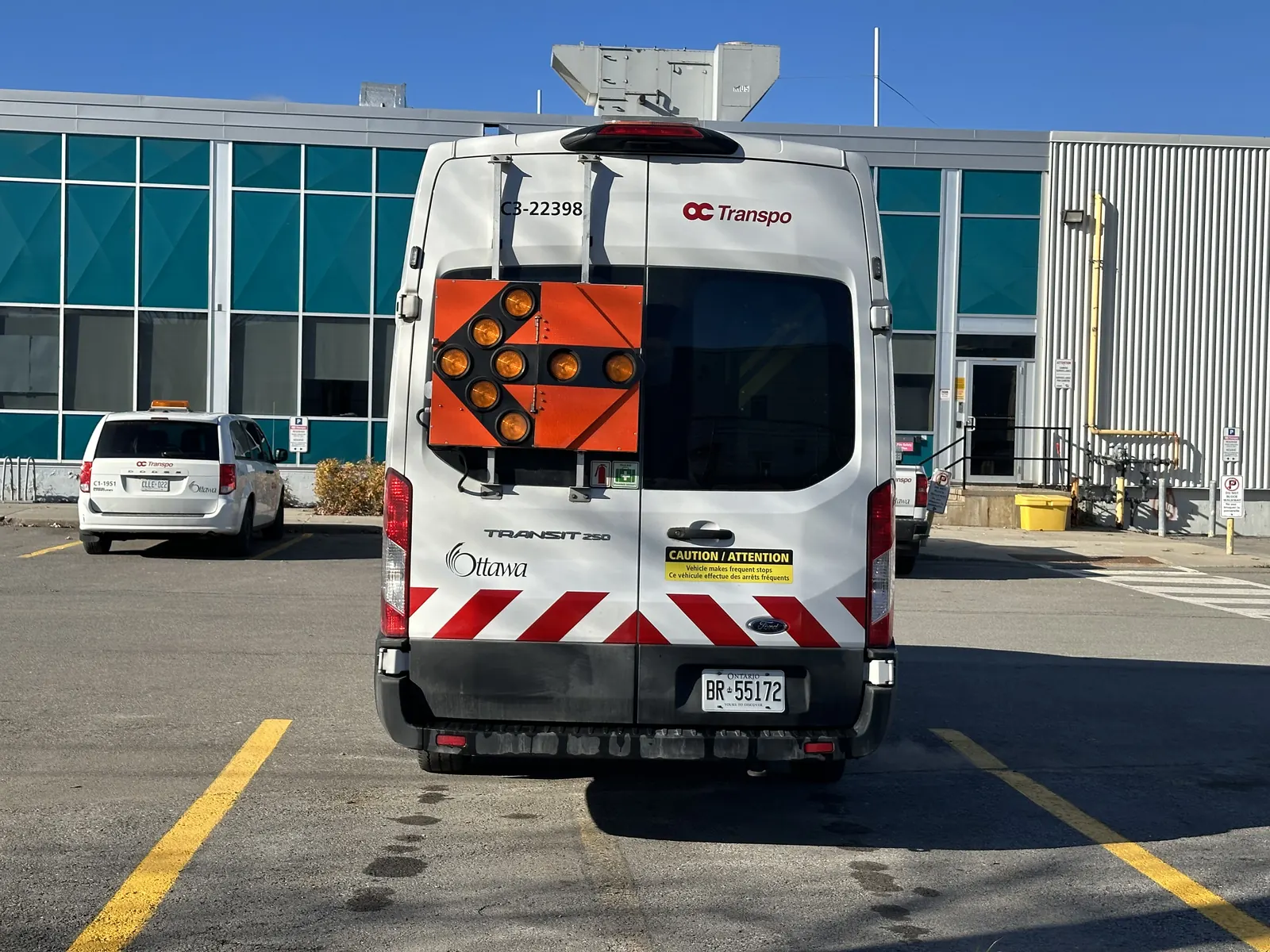
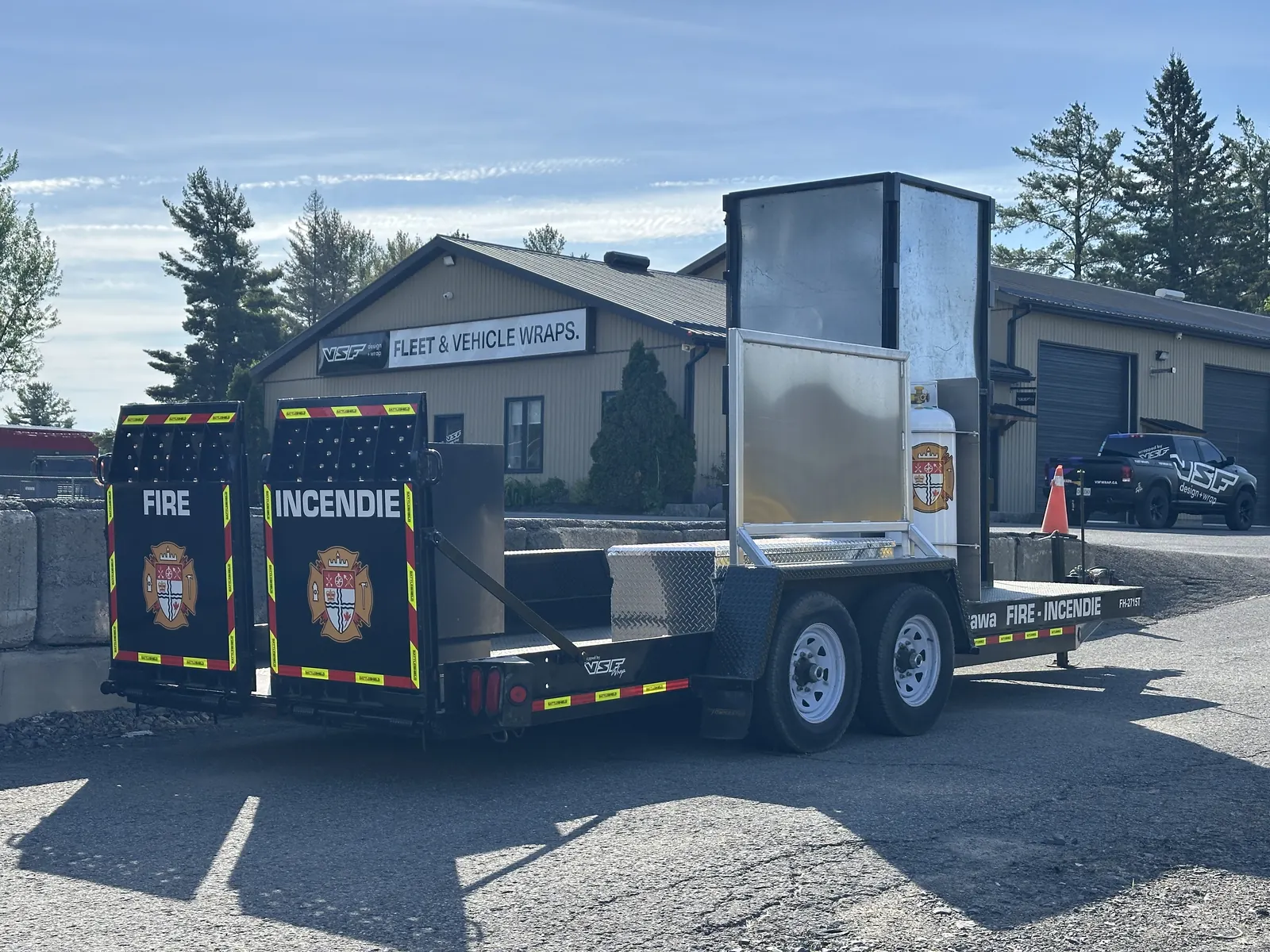
Emergency vehicles: chevrons on the rear, stripes along the sides, and unit numbers that have to be read at night. We do this for Ottawa Fire Services, Ottawa Paramedic Service and other City of Ottawa vehicles.
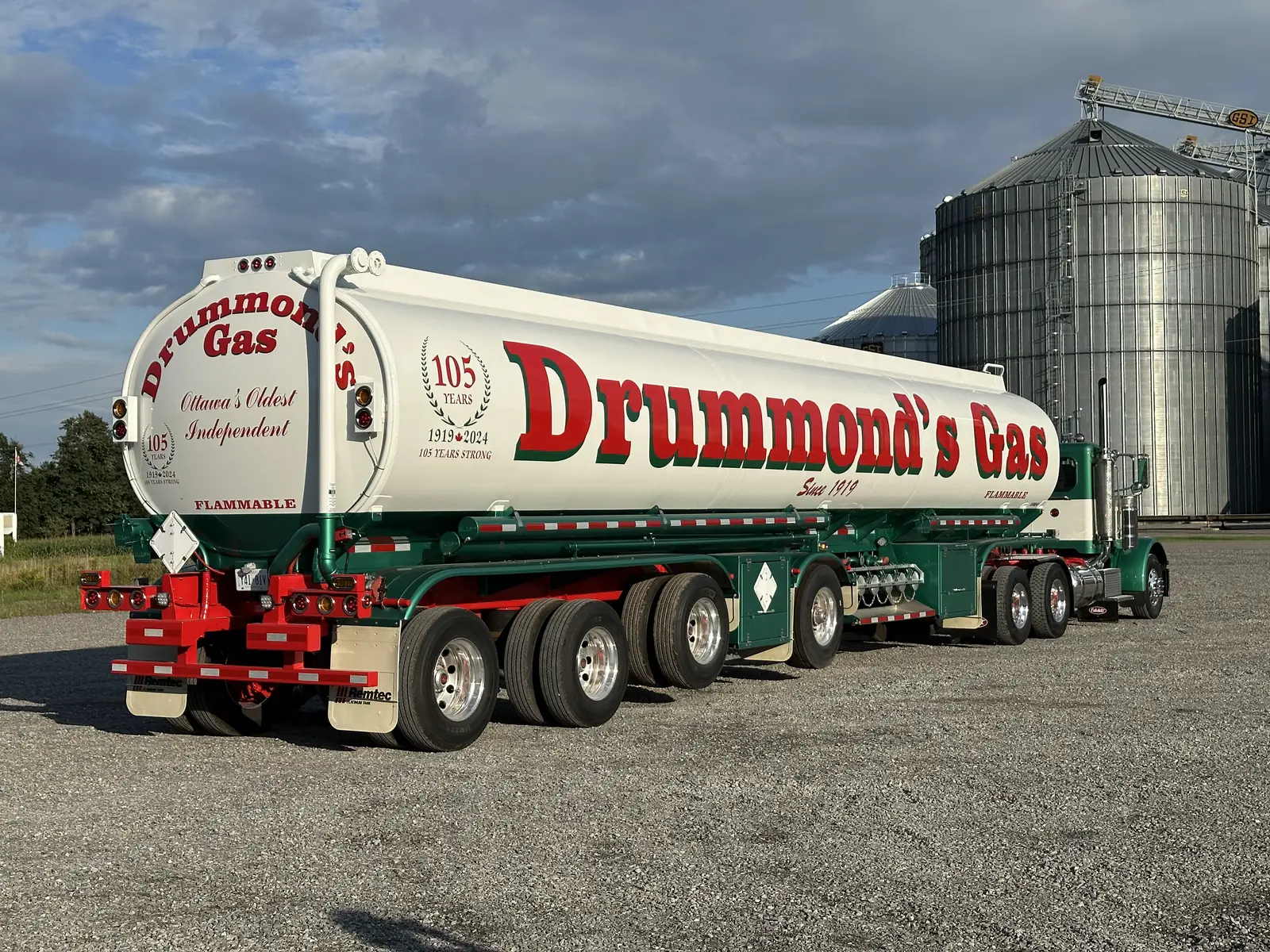
Tankers and fuel trucks: our propane and fuel customers often have their website and unit numbers cut in white reflective, so the truck is easy to see on a dark road and easy to identify.
Work trucks and trailers: service trucks, plows and trailers that work along the road, or park on the shoulder, are safer when they show up in headlights.
When regular vinyl is enough
For most business vehicles, regular vinyl is the right choice. It costs less, comes in more colours and finishes, and a printed wrap with your logo, photos and phone number does its job in daylight, when people see it most.
Mixing the two
Many vehicles combine both: a printed or colour wrap for the look, with reflective chevrons, stripes, numbers or a logo outline on top. You get the branding and the visibility, and you only pay for reflective where it's needed.
Matching what you already have
If your fleet already has a reflective standard, send us your spec or a photo and we'll match it. We also do single decals, unit numbers and repairs, not just full graphics packages.